Technology
Automated Warehouse Solutions for Taiwan Market in 2025
Michael Chen
December 15, 2024
12 min read
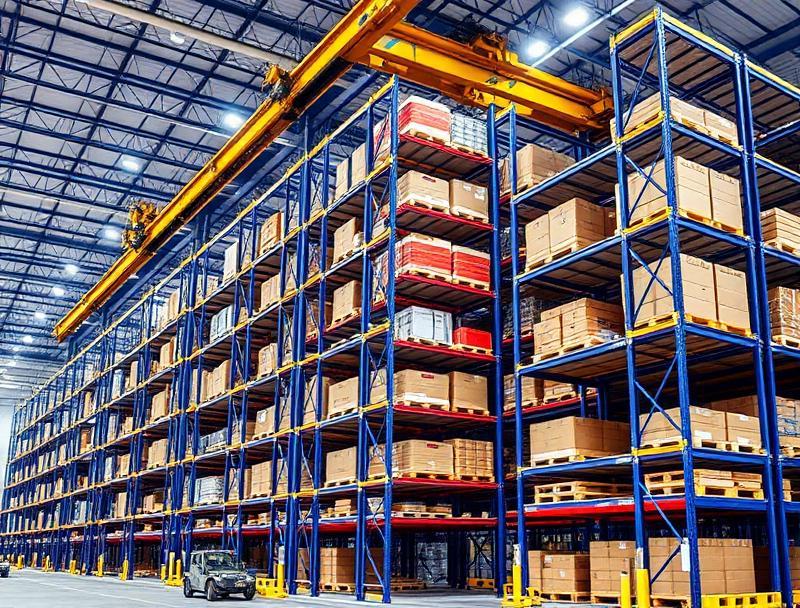
The Rise of Automated Warehousing in Taiwan
Taiwan’s warehousing industry is undergoing a significant transformation that will reshape how businesses operate in 2025 and beyond. As one of Asia’s most advanced economies with a GDP exceeding $790 billion, Taiwan is rapidly adopting automated warehouse solutions to meet the growing demands of e-commerce, manufacturing, and logistics sectors. The convergence of technological innovation, labor market pressures, and the need for operational efficiency has created the perfect environment for warehouse automation to thrive.
According to recent industry reports, the Taiwan warehouse automation market is projected to grow at a compound annual growth rate (CAGR) of 12.5% through 2028. This growth is driven by several factors, including the expansion of e-commerce platforms, the semiconductor industry’s continued dominance, and government initiatives supporting Industry 4.0 adoption.
Why Taiwan Businesses Need Automation Now
With limited land space averaging just 650 people per square kilometer and rising labor costs that have increased by 23% over the past five years, Taiwanese businesses are turning to automated storage solutions as a strategic imperative rather than just an operational improvement. The demographic challenges facing Taiwan, including an aging workforce and declining birth rates, make automation essential for sustainable business growth.
High-density AS/RS (Automated Storage and Retrieval Systems) can increase storage capacity by up to 85% while reducing labor requirements by 50%. For a typical 10,000 square meter warehouse in Taiwan, this translates to potential annual savings of NT$15-25 million in labor costs alone, with additional savings from reduced error rates and improved inventory accuracy.
Key Technologies Transforming Taiwan's Warehouses
The automation landscape in Taiwan is characterized by several key technologies that are reshaping warehouse operations:
AS/RS Systems: Vertical Storage Excellence
Ideal for Taiwan’s space-constrained warehouses, modern AS/RS systems offer vertical storage solutions reaching up to 40 meters high. These systems utilize advanced stacker cranes capable of handling loads up to 2,000 kg with positioning accuracy within 5mm. The latest generation of AS/RS technology features energy-regenerative drives that can reduce energy consumption by up to 40% compared to previous models.
For Taiwan’s electronics and semiconductor industries, mini-load AS/RS systems provide ultra-high-density storage for small parts and components, with throughput rates exceeding 300 picks per hour per aisle. These systems are particularly valuable in cleanroom environments where human presence must be minimized.
AGV and AMR Solutions: Flexible Material Handling
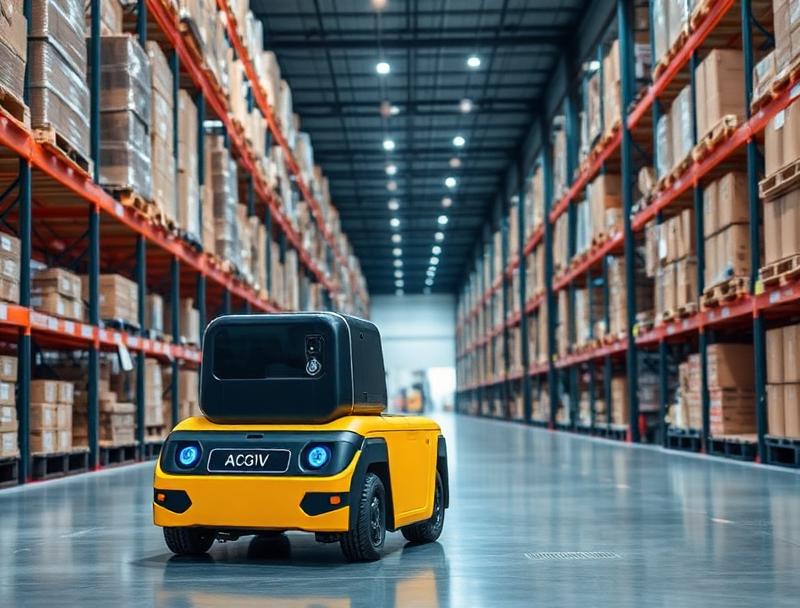
Autonomous Guided Vehicles (AGVs) and Autonomous Mobile Robots (AMRs) are revolutionizing material handling in Taiwan’s manufacturing and logistics facilities. Unlike fixed conveyor systems, AGVs offer flexibility to adapt to changing warehouse layouts and varying demand patterns. Modern AGV fleets can navigate complex warehouse environments using LiDAR, camera systems, and AI-powered path planning.
The latest AMR technology enables collaborative workflows where robots and human workers operate safely in the same space. These systems are particularly suited for Taiwan’s mixed-use facilities where complete automation may not be feasible or cost-effective.
Intelligent Warehousing: Software That Thinks
WMS (Warehouse Management System) integration with local ERP systems like SAP, Oracle, and Taiwan-developed solutions ensures seamless operations. Advanced WMS platforms now incorporate machine learning algorithms that can predict demand patterns, optimize pick paths, and dynamically allocate resources based on real-time conditions.
IoT sensors throughout the warehouse provide continuous monitoring of inventory levels, environmental conditions, and equipment performance. This data feeds into predictive maintenance systems that can identify potential equipment failures before they occur, reducing unplanned downtime by up to 70%.
Implementation Considerations for Taiwan
When implementing automated warehouse solutions in Taiwan, several unique factors must be considered:
Seismic Requirements
Taiwan’s location in a seismically active zone requires all warehouse structures and automation equipment to meet stringent earthquake resistance standards. AS/RS systems must be designed with seismic bracing, and control systems must include emergency protocols for safe shutdown during seismic events. DepotFit designs all Taiwan installations to exceed local building codes, with structures rated for at least 0.4g horizontal acceleration.
Local Regulations and Standards
Taiwan’s workplace safety regulations, administered by the Ministry of Labor, require specific safety features for automated systems, including light curtains, safety interlocks, and emergency stop systems. All installations must comply with CNS (Chinese National Standards) and relevant international standards such as ISO 3691 for industrial trucks and ISO 13849 for safety-related control systems.
Integration with Existing Systems
Most Taiwan businesses operate legacy systems that must be integrated with new automation equipment. DepotFit provides comprehensive API development and middleware solutions to ensure seamless communication between existing ERP systems, warehouse management software, and new automation hardware.
ROI and Payback Periods
For Taiwan businesses considering warehouse automation, typical payback periods range from 2.5 to 4 years, depending on the scope of implementation and current operational costs. Key ROI drivers include:
Getting Started with DepotFit
DepotFit provides comprehensive support for Taiwan businesses, from initial assessment and conceptual design through installation, commissioning, and ongoing support. Our Taiwan-based team includes engineers fluent in Mandarin and familiar with local business practices, ensuring smooth project execution.
Contact us today for a free warehouse assessment and discover how automated warehouse solutions can transform your Taiwan operations in 2025 and beyond.
Need Warehouse Automation Solutions?
Contact the DepotFit expert team for a free warehouse assessment and customized solutions.
Ready to Optimize Your Warehouse?
Get in touch with our experts for a customized solution

Your global warehousing solution expert with 15+ years of experience, 3000+ product models, and a 28,000 m² manufacturing facility.