Technology
Intelligent Warehousing Systems: A Complete Guide for Taiwan
David Wang
November 5, 2024
15 min read
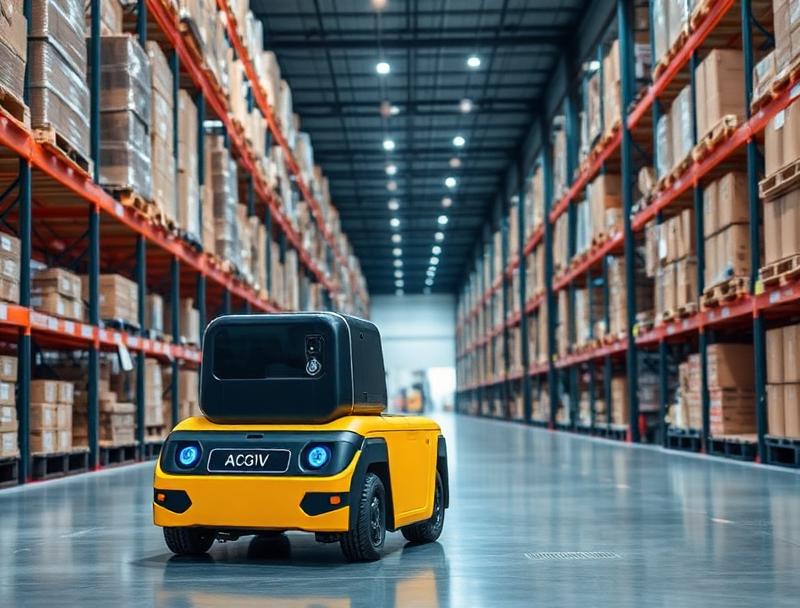
The Future of Intelligent Warehousing in Taiwan
As Taiwan positions itself as a global leader in smart manufacturing and Industry 4.0 adoption, intelligent warehousing systems have become essential infrastructure for businesses seeking to maintain competitive advantages. These sophisticated systems combine hardware automation with software intelligence to create efficient, data-driven warehouse operations that can adapt to changing market demands in real-time.
The Taiwan intelligent warehousing market is experiencing unprecedented growth, driven by the convergence of advanced technologies, changing consumer expectations, and the need for operational resilience demonstrated during recent global supply chain disruptions. Businesses that embrace intelligent warehousing today are positioning themselves for success in the increasingly competitive Asia-Pacific market.
What Defines an Intelligent Warehouse?
An intelligent warehouse goes beyond simple automation to incorporate decision-making capabilities, predictive analytics, and seamless integration across the entire supply chain. Key characteristics include:
Connected Infrastructure
Every element of the warehouse—from storage equipment to material handling devices—is connected through a unified network. This connectivity enables real-time visibility into operations and supports data-driven decision making at every level.
Autonomous Operations
Intelligent warehouses can perform many functions autonomously, from inventory management and order processing to equipment maintenance scheduling. Human operators shift from execution to oversight and exception handling.
Adaptive Capabilities
Unlike traditional static systems, intelligent warehouses can adapt to changing conditions. During peak demand periods, the system automatically adjusts resource allocation, pick sequences, and shipping schedules to maintain service levels.
Key Components of Intelligent Warehousing
Warehouse Management System (WMS)
The WMS serves as the brain of an intelligent warehouse, orchestrating all activities and maintaining real-time visibility into inventory and operations. Modern WMS platforms for Taiwan operations offer:
Internet of Things (IoT) Infrastructure
IoT sensors form the nervous system of an intelligent warehouse, providing continuous streams of data about:
A typical intelligent warehouse may deploy thousands of sensors, generating millions of data points daily that feed into analytics systems.
Artificial Intelligence and Machine Learning
AI and ML capabilities transform raw data into actionable intelligence:
Robotics and Automation
Physical automation brings intelligence to the warehouse floor:
Benefits for Taiwan Businesses
Intelligent warehousing delivers substantial benefits across multiple dimensions:
Operational Efficiency
Strategic Advantages
Risk Mitigation
Implementation Roadmap
DepotFit provides a structured approach to implementing intelligent warehousing in Taiwan:
Phase 1: Assessment and Planning (4-8 weeks)
Phase 2: Foundation Building (8-16 weeks)
Phase 3: Advanced Automation (12-24 weeks)
Phase 4: Continuous Optimization (Ongoing)
Investment Considerations
Intelligent warehousing investments vary significantly based on scope and complexity. Typical ranges for Taiwan implementations include:
Payback periods typically range from 2-4 years, with ongoing cost savings and efficiency gains continuing long after the initial investment is recovered.
Getting Started
DepotFit helps Taiwan businesses at every stage of their intelligent warehousing journey. Whether you’re just beginning to explore automation or ready to deploy a comprehensive solution, our experienced team provides the expertise and support you need.
Contact us today for a complimentary assessment of your intelligent warehousing opportunities.
Need Warehouse Automation Solutions?
Contact the DepotFit expert team for a free warehouse assessment and customized solutions.
Ready to Optimize Your Warehouse?
Get in touch with our experts for a customized solution

Your global warehousing solution expert with 15+ years of experience, 3000+ product models, and a 28,000 m² manufacturing facility.