Technology

    Intelligent Warehousing Systems: A Complete Guide for Taiwan

    David Wang
    November 5, 2024
    15 min read
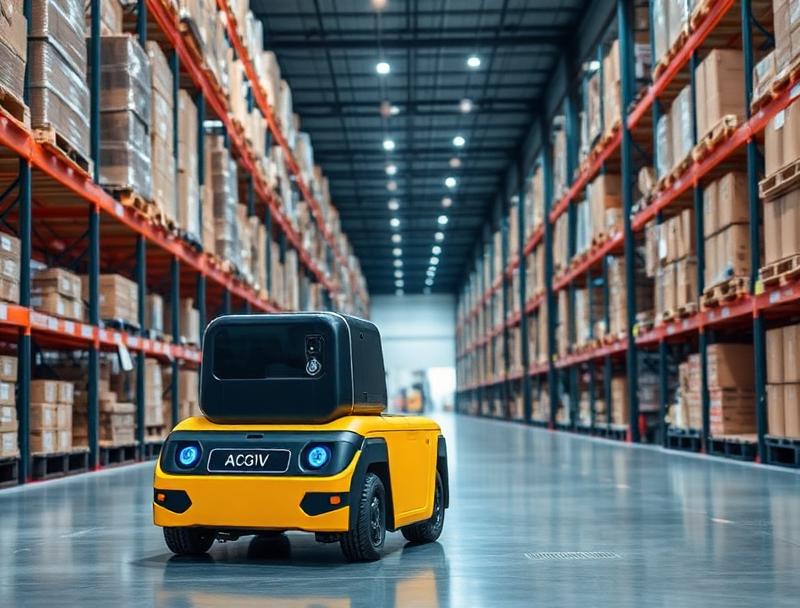
    The Future of Intelligent Warehousing in Taiwan

    As Taiwan positions itself as a global leader in smart manufacturing and Industry 4.0 adoption, intelligent warehousing systems have become essential infrastructure for businesses seeking to maintain competitive advantages. These sophisticated systems combine hardware automation with software intelligence to create efficient, data-driven warehouse operations that can adapt to changing market demands in real-time.
    The Taiwan intelligent warehousing market is experiencing unprecedented growth, driven by the convergence of advanced technologies, changing consumer expectations, and the need for operational resilience demonstrated during recent global supply chain disruptions. Businesses that embrace intelligent warehousing today are positioning themselves for success in the increasingly competitive Asia-Pacific market.

    What Defines an Intelligent Warehouse?

    An intelligent warehouse goes beyond simple automation to incorporate decision-making capabilities, predictive analytics, and seamless integration across the entire supply chain. Key characteristics include:

    Connected Infrastructure

    Every element of the warehouse—from storage equipment to material handling devices—is connected through a unified network. This connectivity enables real-time visibility into operations and supports data-driven decision making at every level.

    Autonomous Operations

    Intelligent warehouses can perform many functions autonomously, from inventory management and order processing to equipment maintenance scheduling. Human operators shift from execution to oversight and exception handling.

    Adaptive Capabilities

    Unlike traditional static systems, intelligent warehouses can adapt to changing conditions. During peak demand periods, the system automatically adjusts resource allocation, pick sequences, and shipping schedules to maintain service levels.

    Key Components of Intelligent Warehousing

    Warehouse Management System (WMS)

    The WMS serves as the brain of an intelligent warehouse, orchestrating all activities and maintaining real-time visibility into inventory and operations. Modern WMS platforms for Taiwan operations offer:
  1. Multi-language Support: Full Traditional Chinese interfaces with support for English and other languages
  2. Local ERP Integration: Pre-built connectors for popular Taiwan ERP systems including SAP, Oracle, and locally-developed platforms
  3. Regulatory Compliance: Built-in support for Taiwan customs regulations, tax requirements, and trade documentation
  4. Cloud Deployment: Options for on-premises, cloud, or hybrid deployments to meet various security and performance requirements
  5. Mobile Accessibility: Full-featured mobile apps for real-time warehouse floor operations
  6. Internet of Things (IoT) Infrastructure

    IoT sensors form the nervous system of an intelligent warehouse, providing continuous streams of data about:
  7. Inventory Status: RFID and barcode systems for real-time inventory tracking with 99.99% accuracy
  8. Environmental Conditions: Temperature, humidity, and air quality monitoring for sensitive products
  9. Equipment Performance: Vibration, temperature, and performance sensors on material handling equipment
  10. Space Utilization: Occupancy sensors to optimize storage allocation and identify inefficiencies
  11. Safety Monitoring: Perimeter sensors, cameras, and access control systems for security and safety compliance
  12. A typical intelligent warehouse may deploy thousands of sensors, generating millions of data points daily that feed into analytics systems.

    Artificial Intelligence and Machine Learning

    AI and ML capabilities transform raw data into actionable intelligence:
  13. Demand Forecasting: Machine learning models analyze historical data, market trends, and external factors to predict future demand with accuracy improvements of 20-40% over traditional methods
  14. Route Optimization: AI algorithms continuously optimize pick paths, reducing travel time by 30-50% compared to static routing
  15. Slotting Optimization: Dynamic slotting adjusts product locations based on velocity, affinity, and ergonomic considerations
  16. Labor Planning: Predictive models help schedule the right number of workers with the right skills for anticipated workloads
  17. Anomaly Detection: AI systems identify unusual patterns that may indicate errors, theft, or equipment problems
  18. Robotics and Automation

    Physical automation brings intelligence to the warehouse floor:
  19. AS/RS Integration: Automated storage and retrieval systems connected to WMS for optimized put-away and picking
  20. AGV/AMR Fleets: Coordinated robot fleets for goods-to-person operations and material transport
  21. Automated Sorting: High-speed sortation systems for order consolidation and shipping preparation
  22. Robotic Picking: Vision-guided robots for item picking in appropriate applications
  23. Automated Packaging: Right-sizing and automated packaging systems to reduce materials and shipping costs
  24. Benefits for Taiwan Businesses

    Intelligent warehousing delivers substantial benefits across multiple dimensions:

    Operational Efficiency

  25. Reduce operational costs by 30-50% through automation and optimization
  26. Improve order accuracy to 99.9% or higher
  27. Enable 24/7 operations with minimal human intervention
  28. Reduce order processing time by 60-80%
  29. Increase throughput capacity by 200-400% without facility expansion
  30. Strategic Advantages

  31. Faster response to market changes through real-time visibility and agile operations
  32. Improved customer satisfaction through faster, more accurate fulfillment
  33. Enhanced competitiveness in the growing Asia-Pacific e-commerce market
  34. Reduced dependency on labor availability in Taiwan's tight job market
  35. Better environmental performance through optimized energy use and reduced waste
  36. Risk Mitigation

  37. Greater operational resilience during disruptions
  38. Reduced workplace accidents through automation of dangerous tasks
  39. Improved compliance with regulatory requirements
  40. Better protection of high-value inventory through enhanced security
  41. Implementation Roadmap

    DepotFit provides a structured approach to implementing intelligent warehousing in Taiwan:

    Phase 1: Assessment and Planning (4-8 weeks)

  42. Comprehensive analysis of current operations and pain points
  43. Definition of business objectives and success metrics
  44. Technology assessment and solution architecture design
  45. ROI analysis and investment planning
  46. Change management and training program development
  47. Phase 2: Foundation Building (8-16 weeks)

  48. Network infrastructure upgrades for IoT connectivity
  49. WMS implementation and ERP integration
  50. Basic sensor deployment for visibility
  51. Process standardization and optimization
  52. Staff training on new systems
  53. Phase 3: Advanced Automation (12-24 weeks)

  54. Physical automation implementation (AS/RS, AGV, etc.)
  55. AI and ML model deployment
  56. Advanced analytics dashboard development
  57. Performance optimization and tuning
  58. Expansion planning for additional capabilities
  59. Phase 4: Continuous Optimization (Ongoing)

  60. Regular system updates and enhancements
  61. AI model retraining with new data
  62. Performance monitoring and improvement
  63. Technology refresh and capability expansion
  64. Best practice sharing and benchmark comparison
  65. Investment Considerations

    Intelligent warehousing investments vary significantly based on scope and complexity. Typical ranges for Taiwan implementations include:
  66. Small-scale (WMS + basic IoT): NT$5-15 million
  67. Mid-scale (WMS + IoT + partial automation): NT$30-80 million
  68. Large-scale (full intelligent warehouse): NT$100-500+ million
  69. Payback periods typically range from 2-4 years, with ongoing cost savings and efficiency gains continuing long after the initial investment is recovered.

    Getting Started

    DepotFit helps Taiwan businesses at every stage of their intelligent warehousing journey. Whether you’re just beginning to explore automation or ready to deploy a comprehensive solution, our experienced team provides the expertise and support you need.
    Contact us today for a complimentary assessment of your intelligent warehousing opportunities.
    Share Article

    Keywords

    intelligent warehousing TaiwanWMS Taiwanwarehouse IoT TaiwanAI warehousingsmart warehouse Taiwan

    Need Warehouse Automation Solutions?

    Contact the DepotFit expert team for a free warehouse assessment and customized solutions.

    Ready to Optimize Your Warehouse?

    Get in touch with our experts for a customized solution

    Your global warehousing solution expert with 15+ years of experience, 3000+ product models, and a 28,000 m² manufacturing facility.
    Industrial Zone, Near Major Port
    Guangdong, China 518000
    © 2026 DepotFit. All rights reserved.